

To effectively get rid of ants, you need to identify and eliminate them properly.
Usually, incorrect identification can lead to ineffective pest control, potential harm to the home occupants, or persistence cases of the ant infestation.
Notably, while a sight of a single ant may not be a major issue, it is proof of an impending ant infestation menace. Therefore, homeowners must learn to recognize and eradicate them. In this post, we offer easy steps you can take to effectively get rid of ants.
Steps to Get Rid of Ants in Your Home
1. Accurate Identification
The right method of ant elimination depends on proper identification. You should know which ants are on your property to decide on how to best eliminate them effectively.
Below are the common types of ants:
- Pharaoh ants: These are the most common ants in houses. They like nesting in warm, moist places, often behind floor cavities, skirting boards, and wall cavities. Notably, signs of their presence include small piles of dirt near the nest and a trail of ants leading to the nest.
- Ghost Ants: They are the same size as Pharaoh ants and are often found in the kitchen and bathroom, where they move around the tops of countertops and sink tops. They usually feed on foodstuffs.
- Carpenter Ants: While these ants do not eat wood, they dig into wood to construct their nests. This results in significant structural damage. Importantly, to identify their infestation, you should look for coarse, sawdust-like material in and around wooden structures.
2. Find the Source
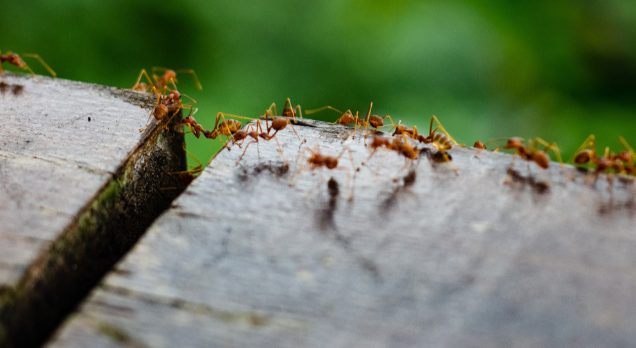
Usually, the ants that you see moving around are worker ants who move around to gather food to take back to the colony. The queen, on the other hand, is the reproductive center of the colony, and unless you identify the colony, you can’t eliminate the ants by killing the worker ants.
Therefore, your success in ant control mainly depends on your detective skills. You should keenly observe the ant trails and note entry points leading you to the nest to increase your chances of effective elimination.
3. Strategic Elimination
After you have correctly identified the ant species and its source, it’s time to take action. Some of the actions you can take to eliminate and prevent ant infestation in the long run are through:
1. Cleanliness: Cleaning spills and food crumbs promptly, especially those from sweet liquids, should be your first defense against pests. Importantly, store foodstuffs, including pet food, in covered containers. Also, dispose of trash regularly and clean surfaces to eliminate grease and odors that attract pests.
2. Seal the Entry Points: Seal openings in windows, doors, pipes, crevices, and cracks with silicone caulk to prevent ants from entering your home.
3. Use Ant Baits Strategically: For the most common household ants, baits are the best DIY treatment. The bait is irresistible to worker ants, who consume it and then carry the slow-acting insecticide back to the colony to share with the queen and other colony members. While it may take several days, the bait will kill the colony at its source. Therefore, set baits along the ants’ trail you have seen.
When to Call a Professional Pest Control Company
While do-it-yourself treatments are suitable for minor issues, seeking professional pest control can provide effective solutions for severe or recurring infestations. Therefore, you can call a professional pest control company to help you get rid of ants if:
- The infestation is widespread or recurring
- You believe the nest is in a hidden space and not accessible
- You are facing property-damaging ants, such as carpenter ants.
- You are experiencing health concerns, especially with pharaoh ants
Conclusion
Although DIY pest control identification and careful precautions can help prevent ant infestations, in cases of long-term infestation, professional help is best, as it provides a lasting remedy.
Therefore, always remember that you don’t have to identify and eliminate ants all on your own. For effective, long-term ant prevention solutions, you can contact us. We will not only professionally and correctly identify the ants’ nests but also effectively eliminate them, offering a long-term solution.