

The choice between natural and chemical pest control methods should be an informed decision since Pest control can significantly affect health, safety, and the environment.
Importantly, understanding the health or environmental implications of each option will help determine whether it aligns with your specific pest control needs. Therefore, in this post, we will explore both methods, their benefits and drawbacks, and when to choose one over the other.
Chemical Pest Control
Most people turn to chemical pest control because it acts quickly. Using insecticides to eliminate pests is efficient and reduces damage by pests.
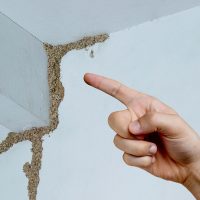
Therefore, in heavy pest infestations such as termites, rodents, or cockroaches, immediate extermination through chemical treatments prevents further damage and health risks.
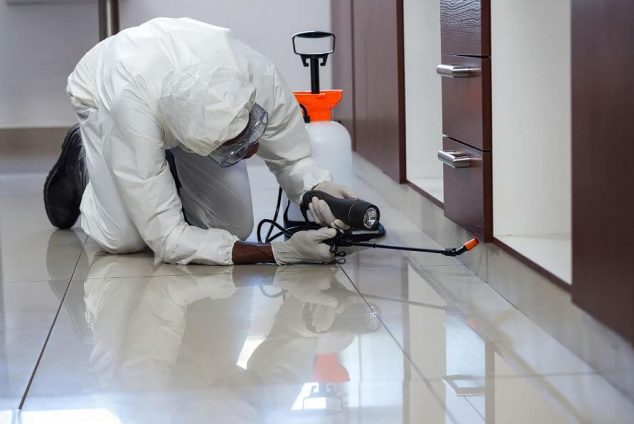
Importantly, when applied in the right amounts by a well-trained operator, chemical pest control provides long-term protection and typically does not require frequent retreatment.
Despite the benefits of chemical pest control, the use of insecticides has drawbacks. First, the chemicals used in pest control are poisonous to beneficial insects, animals, and even humans. Also, improper use of chemicals causes environmental pollution by polluting water bodies or the earth itself. The long-term use of chemicals for pest control can result in chemical residues that can cause respiratory illness, skin hypersensitivity, or other effects.
Notably, the NEA regulates pesticide use in Singapore, ensuring technicians are trained and certified to minimize environmental risks.
Natural Pest Control
Natural pest control involves using safer, less toxic methods with fewer adverse effects on the ecosystem. It includes biological controls, such as ladybugs feeding on pests like aphids, and botanical pesticides, including neem oil.
Among many other benefits, essential oils or diatomaceous earth used in natural pest control are nontoxic to humans and animals, thus you can use them in your home even when there are children or individuals with health sensitivities.
However, despite the benefits of natural pest control methods, they tend to be slower and less long-lasting. Therefore, they need more frequent reapplications, especially during severe infestations, which can be ineffective and expensive.
Choosing the Right Pest Control Method for Your Needs
Mainly, informed decisions are paramount for a pest-free environment with no compromise to health or sustainability. Therefore, when deciding between chemical and natural pest control, consider the level of infestation, the type of pest, and your specific needs.
Generally speaking, natural pest control methods are sufficient for minor infestations or for prevention. On the other hand, higher levels of infestation do require professional chemical applications.
Importantly, to help you arrive at the best decision, take the recommendations from the professionals in pest control management, who have options tailored through experience and comprehensive assessments.
Conclusion
Both natural and chemical methods play essential roles in modern pest control. Notably, though chemicals are faster and more effective, many natural pest control options are much safer and more sustainable.
Therefore, both approaches require a balanced approach for effective pest management and for the safety of health and the environment. The balanced application of the two methods is thus not optional but a requirement for general health, safety, and environmental sustainability.
Lastly, for proper assessment and professional application of the suitable pest control method, you can contact us. Our technicians will perform a free diagnostic inspection of the pest infestation and recommend the most appropriate pest control method.