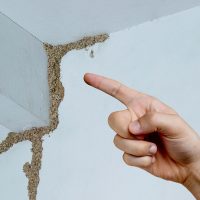


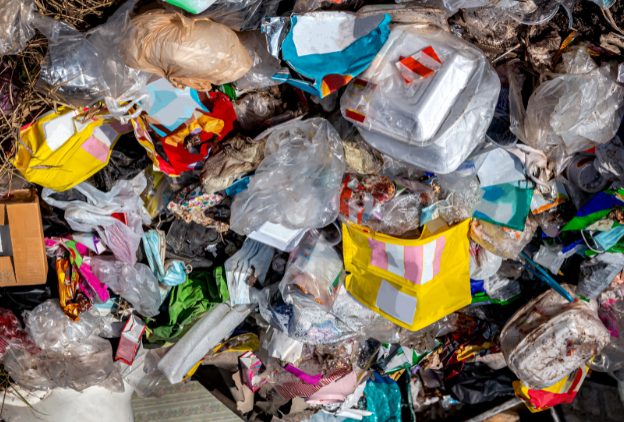
In urban areas, poor waste management creates the most favourable conditions for pest infestation, especially for pests like rats, cockroaches, and flies.
Notably, given Singapore’s dense population, proper waste management is crucial to enhancing public health and sanitation. When waste collection and disposal are poorly managed, common pests can invade properties, causing serious health problems and property damage.
Therefore, in this post, we will discuss the relationship between pest infestation and waste management and provide helpful tips to ensure a pest-free environment.
The Relationship Between Pest Infestation and Waste
Usually, pests are drawn to places where they can eat, drink, and seek shelter. Notably, unmanaged trash provides all three, attracting a wide range of pests.
Notably, Singapore, with an extremely high population density, further compounds the problem of poor waste management and the pest infestation menace. According to statistics, there has been a persistent pest infestation in civic refuse hotspots, particularly in Chinatown Complex, among other areas.
Waste Management Challenges Causing Pest Infestation
Specific challenges in waste management cause failures, leading to pest infestations. For instance, failure to separate general and food waste makes food waste readily available to pests.
Some of the issues and challenges causing poor waste management include:
1. Building Design Issues: The high-rise residential buildings necessitate the use of bin chambers and chutes for waste, which may not be effective.
2. Poor Storage Facilities: Trash in open bins with loosely fitting lids attracts pests. Rodents invade and chew through plastic bags, while insects infest exposed trash.
3. Infrequent Waste Disposal: While regular municipal garbage pickup is necessary, sometimes it’s irregular, making the dumps attractive to pests. As waste accumulates, pests have the chance to feed and breed undisturbed in those open areas.
4. Structural Defects: Damaged floor traps, holes in refuse dump pits, and damaged pipes are rodent entry and breeding points.
Practices to Fix the Pest Infestation Problem
1. Properly Dispose of Food Waste
Use specialized food waste bins with lids. Importantly, sanitize and empty those bins regularly to remove residues that attract unwanted critters. Notably, while waste composting practices are environmentally friendly, ensure you get it right so it doesn’t attract pests.
2. Ensure Instant and Regular Waste Disposal
Never allow trash to accumulate. Ensure daily, consistent collection, especially in high-risk areas such as kitchens. Notably, waste disposal frequency should be determined by volume, with high-traffic areas requiring more frequent collection.
3. Lock Waste Storage Rooms
Regularly inspect waste storage rooms for any signs of structural damage. Close holes and cracks, bend floor traps back into shape, and have doors and covers fit securely. Notably, you can use wire mesh to seal any rodent holes in those spaces.
4. Implement a Cleanliness Procedure
Keep trash collection areas clean and tidy. Sweep trash and spills to avoid pest hiding spots. Always remove any traces of food, water, and shelter to prevent pest infestation cases.
Look for Signs of pest infestation, such as droppings, gnaw marks, burrows, or unusual odors. Recognizing these early signs allows prompt action to prevent escalation.
6. Community Involvement and Education
Community involvement and education are powerful tools in waste management and pest control.
By empowering communities to dispose of rubbish correctly and report early waste issues, you can collectively ensure you maintain a cleaner, healthier, and pest-free environment.
The Need for Professional Pest Control Services
If you experience ongoing pest infestation issues even after good waste practices, consulting a pest control expert can enable you to get an effective, safe solution tailored to Singapore’s urban environment.
Mainly, the pest control experts offer a comprehensive approach that includes prevention, monitoring, and pest control, prioritizing the least toxic methods first to minimize risks to people and the environment.
Lastly, even when you suspect rubbish or litter disposal is the leading cause of your pest infestation, getting professional pest control services is a necessity for Singapore’s unique city ecosystem. Therefore, book an appointment with us today, and we’ll help you keep your property pest-free.