


To address pest infestation challenges, the maritime industry is shifting toward integrated pest control.
In the complex environment of maritime vessel operations, pests can pose significant health and safety risks, contaminate cargo, damage equipment, and lead to costly delays or fines. Notably, although these risks are substantial, they are preventable with a proactive approach.
Integrated pest management is a sustainable approach that prioritizes prevention while minimizing harm to humans and the environment.
In this post, we will discuss the best practices for implementing integrated pest management on maritime vessels to ensure safe, compliant, and efficient operations.
6 Best Practices to Implement Effective Integrated Pest Control
1. Train Your Crew to Identify the Warning Signs Early
Start by training your crew to identify the early symptoms of pest activity before an infestation becomes established. Mainly, training them to recognize the signs early is crucial for taking swift corrective action and preventing pests from spreading.
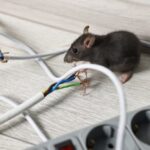
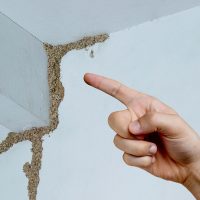
Importantly, the common pest infestation indicators include droppings, gnaw marks, pest shed skins, unusual odors, and sightings of live or dead pests. With proper training, your crew should be able to always pay particular attention to high-risk areas such as galleys, pantries, storage rooms, and cargo holds.
2. Adopt a Prevention-First Approach
Pest infestation prevention is the cornerstone of effective integrated pest control. This prevention-focused approach eliminates the conditions that attract pests in the first place.
Notably, some obvious pest prevention measures include maintaining strict hygiene throughout the vessel, including regular cleaning of food preparation areas, proper waste management, sealing cracks and crevices that could serve as pest harbors, and controlling moisture buildup.
Also, your crew needs to inspect stored goods, packaging, and incoming supplies for signs of pests before they are brought aboard and keep containers clean and free of dirt or contaminants before loading cargo.
3. Conduct Regular Monitoring
Effective integrated pest management relies on continuous monitoring to detect pests and accurately assess population levels. Importantly, instead of manually inspecting your vessels for pests, you can place detection devices in strategic locations across the vessels.
Also, you can schedule regular inspections of cargo holds, accommodation areas, and engine rooms and keep detailed logs of all findings, as this data is invaluable for making informed treatment decisions and for demonstrating due diligence to port authorities.
4. Set Clear Action Procedures
Usually, not every pest sighting warrants an immediate pesticide application. Therefore, you can create a predetermined procedures, highlighting at what pest infestation levels or damage points should control measures be taken to prevent an economic or health threat.
Importantly, you should work with pest control professionals to establish thresholds for common pests in maritime settings, such as cockroaches, rodents, and stored-product insects.
5. Use a Multi-Method Approach to Pest Control
When action thresholds are exceeded, integrated pest control combines multiple strategies to manage pests effectively and sustainably. These include:
- Physical Controls: This entails the use of barriers, traps, and heat treatments to exclude or remove pests.
- Biological Controls: Where applicable, you can use natural predators that target specific pests with minimal environmental impact.
- Chemical Controls: If pesticides are necessary, choose the least toxic options and apply them only as needed. Notably, while fumigation is sometimes required for bulk commodities, it must be performed by certified professionals due to its high toxicity to humans.
6. Ensure Compliance with International and National Regulations
While ensuring integrated pest control, it’s crucial to stay within the rules by adhering to requirements set by relevant bodies and regulatory authorities.
Also, familiarize yourself with and follow the best procedures for obtaining the necessary certificates, which are often required for international voyages.
Conclusion
To avoid the hidden costs and risks associated with pest infestations on your vessels, partner with a qualified pest control company that offers pest control services in maritime industry and adheres to integrated pest control principles to keep pests from compromising your operations. Mainly, the right partner will help protect your operations and support long-term compliance.
Importantly, while basic hygiene and monitoring can be handled in-house, complex pest problems require expert intervention. Therefore, you should engage a pest control service provider that is certified and adheres to pest control standards and principles. Notably, professional technicians use specialized tools to diagnose root causes, recommend safe and effective treatments, and provide comprehensive documentation for regulatory compliance.