


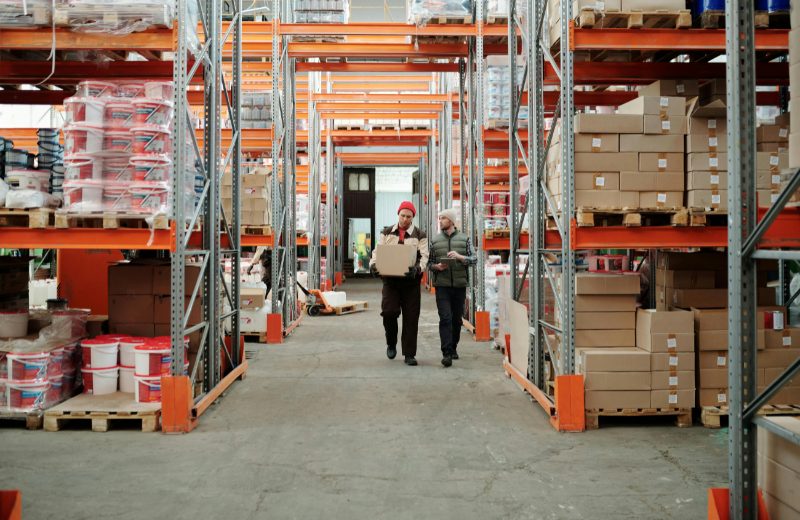
While logistics and supply chain facilities operate around the clock, vulnerability to pest infestations is often overlooked.
Notably, if the pest problem is ignored, it can quickly become a major financial and operational burden. It can result to contaminated inventory, regulatory fines, structural damage, and tarnished reputations.
Therefore, in this post, we examine why these facilities are uniquely vulnerable to pests and how to implement effective solutions.
Why Logistics Facilities Highly Vulnerable to Pest Infestations
1. Constant Flow of Incoming Goods
Logistics facilities receive shipments from around the world daily. Sometimes, these shipments carry pests that hitchhike across borders. For instance, cockroaches can survive in the packing boxes or hide in their crevices. Rodents can nest within shrink-wrapped goods while insects take shelter in the gaps of wooden pallets.
Therefore, without rigorous inspection protocols, these hidden invaders can enter storage areas.
2. Ideal Environmental Conditions
Logistics facilities create a perfect breeding ground for pests where rooms with poor ventilation trap moisture that attracts insects. Also, temperature-controlled storage areas, if not properly sealed, provide comfortable habitats for pests seeking shelter.
Notably, the plenty of cardboard, wood, and fabric packaging provides nesting materials, while stagnant water from condensation or leaks creates breeding sites for mosquitoes and flies.
3. Abundant Food Sources
While many logistics facilities do not store food products, those that do face a high risk of pest infestations. Even non-food warehouses offer sustenance such as broken packaging containing edible goods, and organic materials that attract pests.
Notably, rodents and insects thrive on the smallest crumbs, and once they establish a food source, they multiply rapidly, spreading contamination across entire storage zones.
4. Complex Infrastructure with Multiple Entry Points
Warehouses feature numerous potential entry points such as the loading docks, overhead doors, ventilation shafts, and roof gaps. Notably, rats can squeeze through even small holes and openings.
Additionally, over time, structural wear creates cracks that go unnoticed during busy operations, creating new entry points for pests. Also, doors frequently opening for shipments provide constant opportunities for pest intrusion.
5. Inadequate Sanitation Practices
Busy logistics operations often prioritize speed over cleanliness. As a result, spills go uncleaned, debris accumulates in corners, and waste disposal areas become breeding grounds for pests.
Stacked pallets create dark, undisturbed spaces where pests thrive. Also, when staff fail to rotate inventory properly, old stock sits forgotten, allowing infestations to establish before anyone notices.
How to Protect Your Facility From Pest Infestations
Given the vulnerability of logistics and supply chain facilities to pests, it’s crucial to protect your facility proactively. To prevent pests from making your warehouses their home, implement measures such as:
Seal the entry points. Start by sealing them. Install air curtains on loading docks and door sweeps on all exterior doors.
Regular inspections: Inspect doors, vents, and pipe penetrations regularly for new gaps.
Implement a strict “clean as you go” policy: This includes daily waste removal, immediate spill cleanup, clutter removal, and regular deep cleaning of storage areas.
Inspect all incoming shipments: Ensure each shipment is inspected in a designated quarantine zone before it enters the main storage area.
Keep proper pest control records: Maintain detailed records of inspections, treatments, and maintenance for compliance purposes.
Pest infestation detection: Install monitoring devices throughout the facility to detect pest activity early.
Staff training about pest infestation: Train staff to recognize warning signs like droppings, gnaw marks, or unusual odors.
When to Call a Professional
In Singapore’s logistics environment, robust pest control is not optional but essential. Therefore, contact a qualified pest control company immediately if you notice persistent pest activity.
Mainly, professional pest control technicians use specialized equipment to diagnose the root cause of infestations and implement integrated pest management strategies that eliminate pests without contaminating your workspace. Importantly, you can request for a targeted pest prevention plan, routine monitoring, and corrective measures tailored to your facility.