

When you invest in pest control treatment, you often want to know how long it will take for the infestation problem to be gone.
Notably, the timeline is not always instant. Mainly, how fast a pest infestation is fully resolved depends on the pest type, treatment method, and severity of the infestation.
Therefore, in this post, we will break down the timelines in detail. This understanding will help you have realistic expectations and ensure you don’t mistake the gradual elimination process for a failed treatment.
The Pest Control Treatment Effectiveness Timelines
1. Immediate Impact
For certain pests, you may see reduced activity and even dead pests almost immediately. For instance, treatments for pests like mosquitoes often produce a noticeable drop in population within 24 hours of application.
Also, contact pesticides which kill on impact and trapping devices can yield immediate results for insects like flies, often resolving the issue the same day.
However, seeing insects die quickly does not always mean the entire infestation is gone.
2. Short-term Effects of 1 to 2 Weeks
Usually, the first 1 to 2 weeks after pest control treatment are often the most crucial period and can confuse property owners. For instance, with common household pests like cockroaches, you might notice increased activity right after treatment.
However, this should be a positive sign, as many modern pest control products are slow-acting baits. The goal is for pests to carry the poison back to the nest or colony, killing the source rather than just the visible scouts.
Notably, you should expect full elimination of the pests after 2 weeks. Therefore, you should be patient.
3. Long-Term Results in 4 Weeks and Beyond
For persistent pests, patience is key as the timeline usually becomes longer and less immediate. For instance, with pests such as rodents, control is rarely instant. Usually, full control and elimination may take up to 4 weeks.
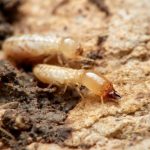
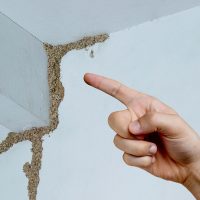
Also, for pests such as bed bugs and termites, it can take pest control technicians up to 6 weeks to eliminate them. Notably, for termites, a liquid soil treatment can offer long-term protection for years.
Factors That Affect the Pest Control Treatment Effectiveness Timelines
1. The Type of Pest
Different pest lifecycles and behaviors dictate the speed of treatment. For example, the high reproductive rate of cockroaches means a single treatment is rarely enough. Therefore, you need a multi-week strategy to break the breeding cycle.
2. The Treatment Method
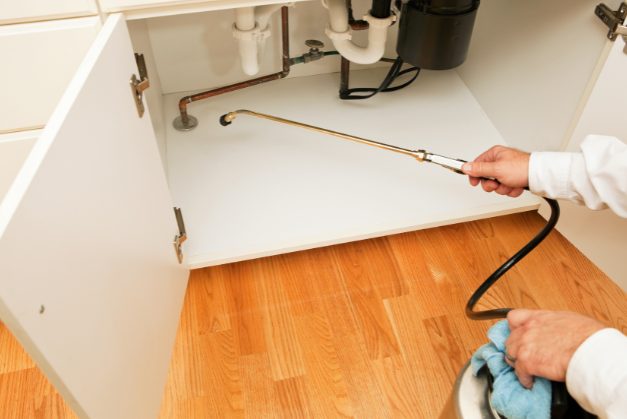
The professional’s chosen approach significantly affects the timeline. Notably, chemical sprays may offer a quick knockdown of visible insects, but biological solutions like beneficial insects can take 3 to 4 weeks to work.
On the other hand, modern pest control which relies on transfer-effect products, are slow-acting poisons that pests carry back to hiding areas. However, although the method take more time, it yield longer-lasting results.
3. Severity of Infestation and Environmental Conditions
A mild infestation is easier to eradicate than a severe one. Heavy infestations may require up to 2 weeks of follow-up visits to ensure complete eradication.
Notably, in Singapore’s humid environment, pest infestation pressure is high. Also, properties near wooded areas or water sources often have higher pest infestation cases and need more frequent maintenance.
Conclusion
Pest control is a process, not a one-time event. Therefore, while you might see a reduction in some pests almost instantly, eliminating other types of pests requires patience, and you need to trust the treatment plan from the start.
Importantly, you should not be alarmed if you see more pests in the first few days after treatment, as this often indicates that the product is working by flushing them out of hiding spots.
Lastly, for a pest-free home or business premises, you should invest in professional ongoing pest management. Regular pest inspections and treatments help keep your property safe and pest-free.