


For landlords and tenants, the common question is who is responsible for pest control in condominiums & Estates.
Notably, there is no single law that gives a definitive answer. Mainly, responsibility typically depends on several factors, including the tenancy agreement.
Therefore, in this post, we will examine these factors in detail to help you avoid disputes and ensure a smooth rental experience.
How to Determine Who is Responsible For Pest Control in Condominiums & Estates
1. Check the Tenancy Agreement First
The tenancy agreement often includes clauses specifying both parties’ obligations for maintenance and repairs.
Notably, standard agreements often include a warranty period during which the landlord is responsible for defects not identified at handover, while also requiring the tenant to keep the premises in a tenantable condition.
Therefore, reviewing the agreement will show whether it includes specific clauses on pest control in condominiums & estates. responsibilities.
2. Determine Whether the Pest Infestation Problems are Due to General Upkeep and Structural Issue
A key factor in determining responsibility is whether the infestation results from the tenant’s lifestyle or a pre-existing structural problem. Usually, tenants are expected to maintain cleanliness and sanitation. Notably, if an infestation comes from poor housekeeping, such as leaving food out or failing to dispose of rubbish properly, the tenant is likely responsible for the cost of pest control.
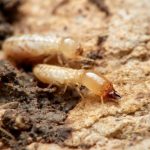
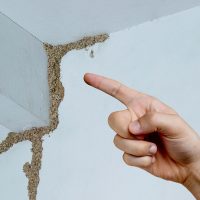
On the other hand, if the problem is rooted in the building’s structure, such as termites entering through cracks in the floor, a leaking roof creating damp conditions, or an old drainage system, the landlord is generally liable.
3. Identify the Source of the Infestation
Determining the root cause of the pest problem is critical. For example, termite infestations are often linked to underlying water issues, which are structural problems under the landlord’s responsibility. Similarly, drain flies may be due to filthy drains in the building’s common areas, which the landlord must rectify.
Therefore, conducting a thorough investigation with a pest control professional can help pinpoint the source and clarify who should bear the cost.
4. Understand the “Defect Liability” Period
For new tenants, the period immediately after moving in is crucial. Many agents and tenancy agreements include a “warranty period,” often the first month, during which the landlord is responsible for any problems not identified during the initial handover.
Notably, this is especially relevant for pre-existing pest issues, such as a cockroach nest found in the cabinets. Therefore, new tenants should promptly report any pest sightings to the landlord within this period to establish liability.
5. Document Everything
Maintaining thorough documentation is essential for both parties. Tenants should take photos and videos of the property’s condition upon moving in, including any existing damage, such as gaps under doors that could allow pests to enter.
Also, they should keep all communications with the landlord regarding pest issues, including emails and text messages. In the event of a dispute, this evidence can be vital for showing when the problem began and whose responsibility it is.
6. Communicate with the Landlord Early
It is in everyone’s interest to address pest infestation problem promptly. The tenant should inform the landlord as soon as the problem is discovered.
Notably, often landlords are willing to cover the cost of extermination, especially if it is a structural issue that could cause long-term damage to their property. Therefore, a proactive communication and cooperative approach can prevent minor issues from escalating into major disputes.
Conclusion
If a pest problem emerges, pest control in condominiums & estates should be a shared responsibility between landlords and tenants, since neglect can lead to property damage, health issues, and legal disputes that affect both parties.
Importantly, pest infestation problems in rentals are best avoided through clear communication and proactive pest control measures. Mainly, the tenant is responsible for daily cleaning, while the landlord typically handles structural issues and pre-existing pest problems. Therefore, both parties should understand their obligations and cooperate to keep the property pest-free.
Lastly, if a pest problem arises, act promptly and let a qualified and NEA-certified pest control company assess the source and implement comprehensive pest control procedures to protect the property and the health of its occupants.