


Knowing termite hotspots helps you spot an infestation before it causes real damage.
Usually, termites are sneaky and highly destructive, quietly chewing through structures before anyone notices. Notably, Singapore’s warm, humid weather lets them stay active year-round, so catching them early matters.
Therefore, in this post, we will look at the four most common termite hotspots in Singapore and practical steps to slow these pests down.
What are the 4 Termite Hotspots
1. Wooden Structures and Furniture
It’s no secret termites love wood. Anything made of wood, from floors and door frames to cabinets, skirting boards, or built-in storage, can be food for termites. Therefore, you need to make it a habit to inspect these spots.
Notably, if you tap the wood carefully and it sounds hollow, or if you notice strange cracks or blisters, those are signs of a termite infestation. In a business setup, check wooden office partitions, storage units, and older furniture, too.
2. Areas With Moisture
Dampness invites termites. Leaky pipes, blocked drains, or bad ventilation all create dampness that attracts termites. Bathrooms, kitchens, air-conditioning units, and utility rooms are also areas termites love.
Importantly, if you spot a leak, fix it fast. Keep things dry and let air circulate to make your place as unwelcoming to termites as possible.
3. Around Foundations and Entry Points
Termites only need a tiny gap to sneak inside. Therefore, check around foundations, cracks, pipes, expansion joints, and anywhere utilities enter the building. Importantly, watch for mud tubes, damaged wood, or even small piles of shed wings.
For commercial premises, regular inspections pay off. Check entrances, storage rooms, service ducts, and the building’s perimeter to find those sneaky entry routes before termites do.
4. Gardens and Outdoor Wooden Items
Sometimes termites start from the outside and work their way in. They are attracted to tree stumps, dead branches, outdoor timber, fences, old planter boxes, or even leftover construction wood.
Therefore, don’t lean deadwood or discarded lumber against your outer walls, as it can attract termites. Also, closely monitor the areas where the soil and walls meet.
Watch for Early Signs of Termite Infestation
Finding termites early saves time, money, and stress. Look for hollow-sounding wood, muddy tubes, odd holes, bits of loose wings, or windows and doors that suddenly won’t open.
If you spot strange timber damage, or enough evidence of termite infestation, don’t poke around too much. Call in pest control professionals instead. They’ll check how deep the problem goes and what to do next.
How to Prevent Termite Infestation
Start by keeping wood away from the soil when you can, fixing leaks quickly, removing dead branches or scrap wood, and boosting ventilation in any damp part of your space.
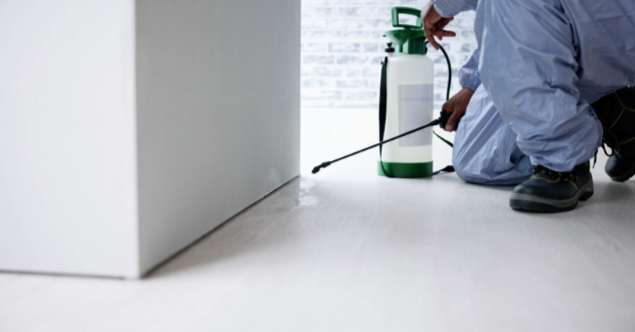
While DIY sprays might kill the termites you see, they often miss the hidden colonies. Professionals track down the nest and recommend the right fix.
Therefore, book regular inspections, especially if your place has lots of wood or you’ve had termite trouble before. Notably, for commercial properties or businesses, it’s wise to include professional pest checks in your yearly routine.
Conclusion
Termites don’t usually announce themselves, but they can quietly eat away at wood for months before you notice. Therefore, watch for the obvious signs, and if you find any, book professional pest control technicians to take a look. Mainly, acting early can help prevent further damage.
Lastly, if you’re in Singapore and want reliable termite inspection, prevention, or total pest control, contact Eminent Pest Control. We’re here to help keep your homes and businesses safe and termite-free.