

In cases of pest infestation, the first and most crucial step before the actual pest control exercise is a professional pest inspection.
Mainly, neglecting the initial inspection can lead to ineffective pest control, potential health risks, and property damage.
Notably, the comprehensive pest inspection process goes beyond just checking pests. It aims to detect existing infestations, identify conducive conditions such as cracks in walls, stagnant water, or food debris, and how to prevent future problems.
Therefore, in this post, we will discuss what really happens during pest inspection.
What Happens During a Professional Pest Inspection and the Benefits
When you hire a professional pest control company, you’re not just getting someone to spot live pests. You’re tapping into the expertise of a licensed pest control technician who can do much more than that.
The following are some of the things that happen and the benefits of pest inspection.
1. Identify the Pest Species
The technician conducts a pest inspection to accurately identify the exact type of pests on your premises. Identifying the type of pest species enables the technician to tailor the pest control methods for the specific pest problem.
2. Find the Source
During the inspection, the technician should identify where pests enter, nest, and feed, as this information is crucial in designing a successful treatment.
3. Determine the Severity
Knowing the severity of the infestation helps one determine the treatment procedure and for how long. Notably, while a one-time treatment may be sufficient for a small infestation, for severe cases, the technician may recommend frequent pest control treatment to contain the situation.
4. Identify Conditions Attracting Pests
Usually, most pests are attracted to places where they can find food, moisture, and darkness to hide. Therefore, the pest control technicians must identify dampness issues, pest entry points, and waste disposal issues that attract insects. This information not only enables the technician to recommend effective pest eradication measures but also to suggest preventive methods that make your property unattractive to pests.
The Phases of a Full Pest Inspection
A complete inspection is a structured process that can be divided into three distinct phases, each serving a specific purpose.
1. The Initial Consultation and Assessment
Inspection begins even before the technician shows up at your home. After signing the contract, the professional technician will first interview you to gather all details and information about your specific pest problem.
During this initial step, the technicians will ask you what pests you’ve noticed, where you’ve seen them, and when you’ve seen them. All that is relevant.
2. The Physical Inspection
Based on the information you provided during the initial consultation, the technician equipped with the right tools will visit your home.
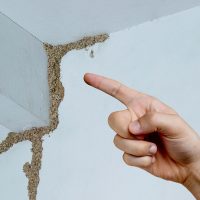
During the visit, the technician will meticulously search for all signs of pest infestation, both inside and outside your house. They will assess the sources of pest infestation, including any pest entry points, items attracting the pests, such as moisture, and the magnitude of damage, if any.
3. Findings Report and Treatment Discussion
The technician will give a comprehensive summary of their findings after conducting the physical inspection. Importantly, a reputable pest control company will have technicians who provide a clear oral summary and then deliver a detailed written report.
Mainly, the report is based on the findings, and it contains important information such as the magnitude of current infestations, a sketch of infested areas, and photographic evidence of pests, damage, or conditions likely to result in infestation.
Most importantly, the technician will draw up a tailored treatment plan if required. This recommendation will be based on the pest type, the size of the problem, and the structure of your home, ensuring it is safe for your family, pets, and environment.
Why DIY Pest Inspection is Not Enough
While being vigilant is essential, and a do-it-yourself pest inspection can help in the initial detection, the homeowner likely lacks the training and technology of a professional.
On the other hand, a thorough inspection by a professional pest control technician will conduct a thorough inspection without overlooking glaring evidence of pest infestation, which a homeowner may overlook or misinterpret.
Therefore, professional pest control is necessary to assess the situation and design an effective pest control treatment approach that is practical and prevents the pest infestation from escalating.
Conclusion
Based on the above discussion, hiring a professional to conduct a pest inspection is the best way of protecting your property value and your family members’ health. The professional pest control company can conduct thorough inspections to identify everything necessary to customize the pest control approach to your specific needs.
Lastly, at Eminent Pest Control, we offer comprehensive pest control services, including thorough inspections and professional advice on preventive measures against pest infestations. Mainly, we transform pest control into a proactive response, rather than a reactive response. Therefore, if you need professional pest control services, including thorough inspection, don’t hesitate to contact us today.