

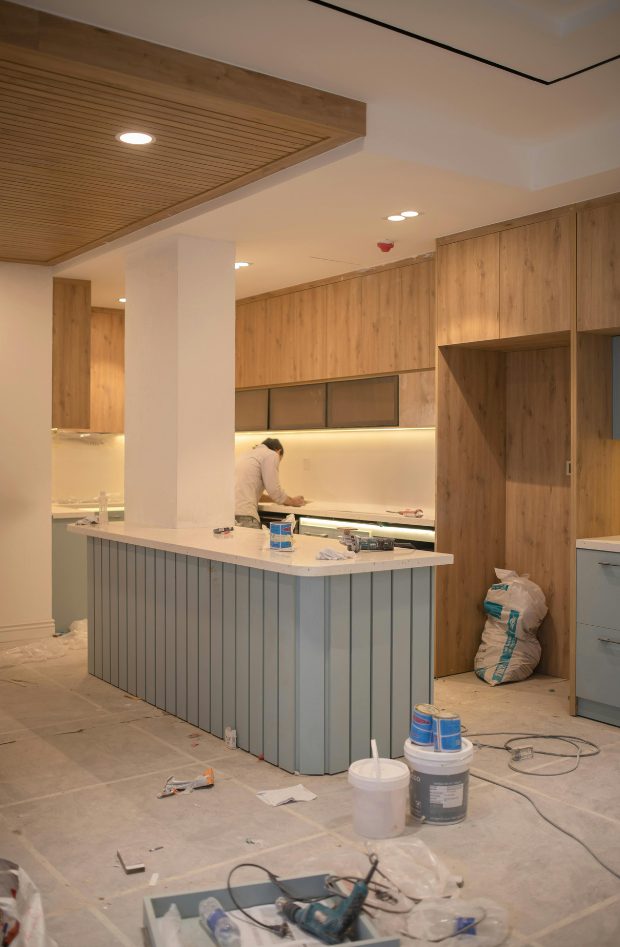
While renovating your home is an exciting project, it is also essential to prevent any possible future pest infestation problems.
Usually, when you’re planning for renovation, you are likely to focus more on immediate priorities such as choosing the best tiles, the perfect color for your walls, and creating a beautiful space that reflects your taste. However, in all this, you should not forget to prevent possible future pest infestation problems.
Therefore, in this post, we’ll provide you with important information on how to proactively plan for renovation and the prevention of future pest infestation problems.
Ways of Preventing Pest Infestation Problems During Planning for Renovations
During renovations, builders can leave hidden areas that become breeding grounds and tunnels for pests, such as rodents, roaches, termites, and ants. However, you can plan and take proactive measures to seal any potential pest hideouts.
Mainly, failing to plan in advance and only handling pest prevention as an afterthought can lead to costly pest control measures and potential damage to your property.
Therefore, below are ways you can include in your plan to prevent pests from infesting your home during renovations.
1. Seal the Pest Entry Points
During renovation, it’s an ideal time to seal the structure of your home and keep pests out. In particular, while sealing holes, pay attention to areas around plumbing pipes, electrical wires, and air conditioning lines along a wall. Also, inspect cracks around the foundation or between the slabs of buildings.
Seal the cracks tightly and securely with a strong sealant since these are the spots where tiny pests like to hide. Most importantly, do not forget that even the most minor crack is an open entry for ants. Therefore, sealing all the pest entry points during renovation is much easier than searching for them once your new cabinets are fitted.
2. Inspect the Building for Any Existing Termite Infestation
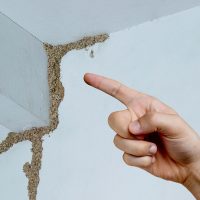
Check whether there are wooden members that sound hollow when knocked, shed wings, or mud tubes, all of which are signs of termite infestation. On noticing any of these signs, immediately stop work and engage a professional pest control company. Mainly, the pest control experts can also detect any hidden infestations that you may not be able to identify on your own.
Usually, termites are the most destructive of all, and if you notice their infestation during renovation, it is much better to investigate the magnitude of the problem immediately rather than after.
3. Pest-proof Your Home Using the Right Construction Methods
Mainly, ensure any wood you introduce is treated and termite-proof. This makes it safe and secure. Also, ensure you don’t expose wood material to the ground. Always use a metal or concrete shield.
Importantly, fix any leaking pipes you have during the reconstruction and ensure your new structure has proper ventilation, especially in the kitchen and bathroom, so that pests cannot be attracted there.
4. Dispose of Garbage and Clean Any Dirt
A building site will be dirty by its very nature, and that dirt may attract pests. Usually, poorly disposed food wrappings, open cans, and even sawdust wood shavings are likely to invite roaches and ants.
Most importantly, by implementing a firm policy of keeping the site clean at all times, providing sealed general rubbish bins, and sweeping off the dirt daily, you can ensure your site stays pest-free.
5. Ensure Proper Ventilation and Drainage
The most common post-renovation pest issues are caused by poor ventilation and drainage.
Therefore, to prevent pest infestation, when installing new kitchen cabinets or wardrobes, ensure that there is proper ventilation. This prevents water from stagnating in the inaccessible, dark area behind the objects.
Notably, during the installation of showering or bathing fixtures, ensure your builder seals around the new bath or shower tray correctly to prevent water from seeping through to the subfloor, which can rot and likely harbor pests. Also, ensure all drain outlets, especially the kitchen sink drains and the air conditioner drip pan drains, are properly maintained.
Pest Infestation Problems Prevention Checklist
Since pest infestation prevention is critical during planning for renovation, the following are the essentials that are non-negotiable:
- Inspect the Building Site: Do thorough inspection of the site to determine whether there are already signs of pest infestation.
- Seal All Pest Entry Points: Find and seal all potential entry points.
- Use Pest-Resistant Materials: For effective prevention, use termite-resistant materials. Importantly, whenever possible, use treated wood that repels termites. This step is essential in keeping your space safe from destructive termite infestations.
- Clean the site: Sustain a daily site cleaning and rubbish disposal schedule.
- Ensure Proper Ventilation: Make sure all areas, especially those prone to moisture buildup like bathrooms and kitchens, have adequate ventilation. This will reduce moisture, which could attract pests.
Conclusion
Although renovation is an exciting exercise and costly, including the pest-proofing measures discussed above, enables you to ensure you’re protecting your property from future pest infestations.
Most importantly, hire a pest control service firm for professional advice and conduct the necessary inspection during renovation. The professionals will be able to detect hidden pest infestation risks that you cannot eliminate, and effectively keep them off in the future.